· 3 min read
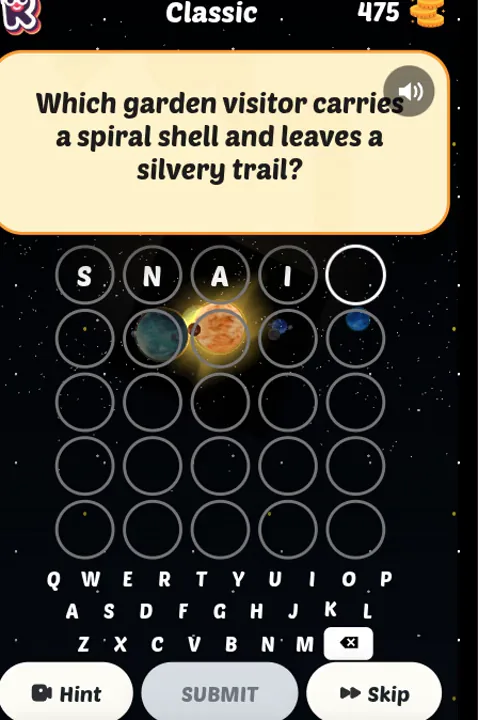
Riddle Quest is a word game where every answer starts as a small mystery. Each round opens with a riddle. You read the clue, guess the word, and use colour-coded feedback to close in on the answer until the "of course" moment lands.
The idea
Daily word games build tension from a limited number of guesses, but the first guess is often a shot in the dark. Riddle Quest gives the player something to reason from before they type a letter. The riddle does the work of a first clue, so the opening move feels like deduction rather than luck.
The game has two ways to play alone:
- Classic Mode: level after level of riddles, from easy to hard, for longer sessions.
- Daily Challenge: one fresh riddle a day, with streaks for coming back.
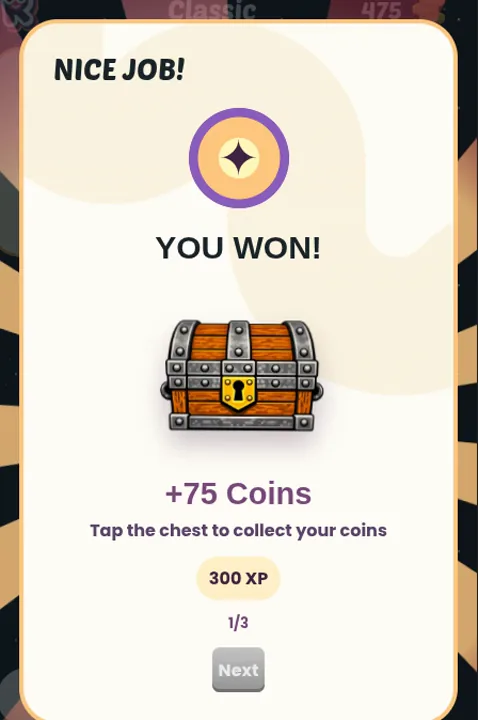
Coins pay for help when a clue has you cornered: a hint letter, an extra attempt or a skip. Wins earn coins and XP, and achievements give occasional players early goals and regular solvers something longer to chase.
Race to 10
The biggest addition is live Race to 10. Two players pick a category, start together after a shared countdown and race through the same riddles to ten. Hints and skips add time penalties, so using help is a tactical choice. The lower adjusted time wins.
Players can also challenge a friend through a private lobby and the host platform's own invitation flow.
One game, many platforms
Riddle Quest is built for the places people already play browser games. It's a single React and TypeScript codebase that produces a separate build for each platform:
- Jest
- Facebook Instant Games
- Reddit, as an interactive post
- YouTube Playables
Each build contains only the integration its platform allows. Facebook is the only build with ads. The YouTube Playable is fully self-contained: every riddle ships in the bundle and progress uses YouTube's own cloud save. The Reddit build only talks to its own server, which then calls the game backend. Automated checks run before every build to stop code from one platform leaking into another.
Fair by design
Anything with value is decided on the server. A Firebase backend checks guesses, grants coins, verifies purchases and referral rewards, and runs Race to 10 matches from start to finish. The browser sends what the player wants to do and never sees a race's answers. Purchases and rewards are idempotent, so a retried request can never pay out twice.
Solo play stays responsive anyway. The game shows your answer straight away while the backend confirms it in the background, and it recovers cleanly when a save fails or the connection drops.
Built to be dependable
- All player-facing text is translated into 16 languages.
- More than 3,300 unit tests cover game rules, platform adapters and the play experience. Browser tests drive each platform build through hosted SDK harnesses.
- Releases go through scripted checks for security configuration, bundle boundaries, file sizes and documentation before anything ships.
Status
Riddle Quest is preparing for public release on Jest, with other platforms to follow. Follow along on the blog for launch news.